
Saving Taxes: Is a DING Trust Right For Me?

July 15, 2014

Like a lot of business planning strategies, it’s best that you meet with a legal professional to discuss the best tactics for your situation. One of those strategies might be a DING (Delaware Incomplete Non-Grantor Trust), a tool that is growing in popularity for managing and minimizing both federal and state income taxes. Especially for those individuals living in states with high income taxes, a DING trust is a powerful strategy for making the most of your assets without being so negatively impacted by taxes.
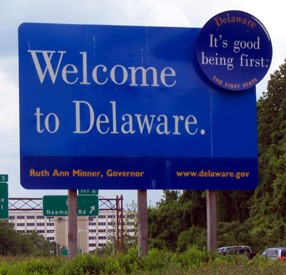
Saving Taxes Is a DING Trust Right For Me
(Photo Credit: america.schickhappens.net)

In a DING trust, a person can transfer assets (including some business interests) that produce a high level of income into a trust without triggering a state or federal gift tax. The state income taxes are actually transferred from the resident’s home state to a state where trust income is not taxed. There are several jurisdictions that have been used in the past for this purpose include Nevada, Delaware, and Alaska.

This type of trust is a great choice for someone who has significant portfolios that generate income or those individuals that live in a high tax state concerned about the tax implications of their assets. This form of asset protection gives peace of mind and confidence to those who use it. As of right now, New Jersey does not tax trust income if there are no resident trustees. Therefore, assets held in a DING trust may be exempted from high state income taxes (8.975% in New Jersey). For special tax planning, contact us for more details at info@lawesq.net or over the phone at 732-521-9455 to get started.



Practice Areas:


Schedule your free Exploratory phone call

Click here to see how we
can be of assistance.

Payment Portal
for Tax and Accounting invoice

This link offers a secure, quick way to complete your payment with Omni360 Advisors LLC.

Our Social Media

Connect with us on Social Media using the following buttons:

Visit our Podcasts

Listen in, Join the Conversation!

Recent Posts

The 5 Financial Decisions You Should Review Every Year—Even When Nothing Has Changed

An annual financial review can help keep your tax strategy, investments, insurance, estate plan, beneficiaries, and retirement goals aligned with your life and priorities. Financial ...

<p>The post The 5 Financial Decisions You Should Review Every Year—Even When Nothing Has Changed first appeared on Integrated Tax Planning, Legal Planning & Financial Planning.</p>

Should You Gift Money to Your Children Now or Leave It to Them Later?

Should you give money to your children during your lifetime or leave it as an inheritance? Explore the family, tax, control, and legacy considerations that can help guide the decision. For many successful families, estate planning eventually raises ...

<p>The post Should You Gift Money to Your Children Now or Leave It to Them Later? first appeared on Integrated Tax Planning, Legal Planning & Financial Planning.</p>

What Happens to Your Financial Life When You Retire? A 12-Month Checklist

Retirement changes more than your work schedule. Use this 12-month retirement checklist to review Medicare, Social Security, cash flow, portfolio withdrawals, taxes, estate documents, and employer benefits. Retirement is often described as a milestone, but financially, it ...

<p>The post What Happens to Your Financial Life When You Retire? A 12-Month Checklist first appeared on Integrated Tax Planning, Legal Planning & Financial Planning.</p>

