
Top 5 Questions Franchise Owners Ask Their Accountants and Advisors
May 28, 2026
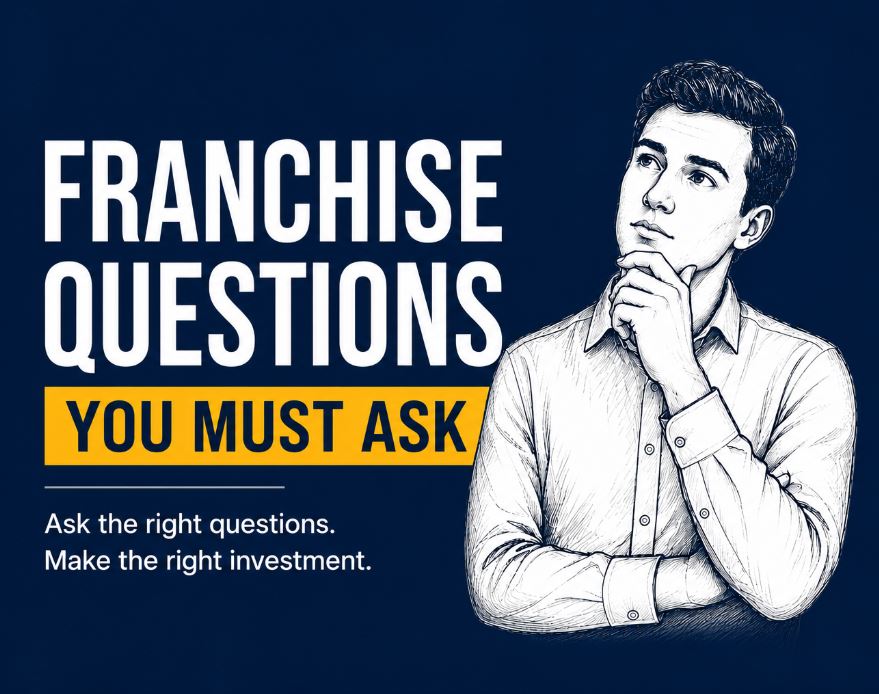
Discover the top financial and advisory questions franchise owners ask about taxes, cash flow, entity structure, growth planning, and long-term wealth strategies.
Owning a franchise can offer tremendous opportunities for growth, scalability, and long-term wealth creation. However, whether you are launching your first location or managing multiple franchise units, financial complexity often increases as the business grows.
From tax planning and cash flow management to expansion strategies and succession planning, franchise owners frequently face decisions that require coordinated financial and operational guidance.
Below are five of the most common questions franchise owners ask their accountants and advisors — and why proactive planning can make a meaningful difference.
1. “How Should I Structure My Franchise Business?”
One of the first questions many franchise owners ask involves entity structure. Choosing the appropriate business structure can affect taxation, liability exposure, operational flexibility, and long-term planning opportunities.
Depending on the franchise model, owners may consider structures such as:
- LLCs
- S Corporations
- Partnerships
- Holding company arrangements
- Multi-entity ownership structures
For owners operating multiple locations, proper structuring can become even more important for liability management, operational efficiency, and future expansion planning.
A coordinated advisory approach can help franchise owners evaluate how their business structure aligns with both current operations and long-term financial goals.
2. “How Can I Better Manage Cash Flow?”
Cash flow management remains one of the most important operational challenges for franchise businesses.
Even profitable franchises may experience periods of cash flow strain due to:
- Payroll obligations
- Inventory cycles
- Seasonal fluctuations
- Franchise royalty payments
- Equipment upgrades
- Expansion costs
Many franchise owners benefit from establishing detailed forecasting models that provide visibility into both short-term operational needs and long-term growth objectives.
Strong cash flow planning may also help owners:
- Prepare for unexpected expenses
- Evaluate financing needs
- Improve operational efficiency
- Create reserves for future opportunities
Business owners who regularly monitor key financial metrics are often better positioned to make informed strategic decisions throughout the year.
3. “What Tax Strategies Should I Be Considering?”
Save draft
18 / 100Publish
blob:https://omni360advisors.com/29878d7f-5e8b-4c57-a8e1-1e4b20c4d512
Franchise owners often face unique tax considerations that differ from those of traditional small businesses.
Questions commonly arise around:
Deductible Business Expenses
Understanding which operational costs may qualify as deductible business expenses can play an important role in tax planning.
Multi-State Tax Issues
Owners operating across multiple states may encounter varying tax filing requirements and compliance considerations.
Depreciation and Equipment Purchases
Franchise businesses frequently invest in equipment, leasehold improvements, and technology systems that may create planning opportunities.
Estimated Tax Payments
Managing estimated tax obligations throughout the year can help avoid unnecessary surprises during tax season.
Strategic tax planning is most effective when approached proactively rather than reactively. Ongoing coordination between tax professionals and financial advisors can help franchise owners align tax decisions with broader business and personal financial objectives.
4. “When Is the Right Time to Expand?”
Expansion can be exciting, but growth decisions should be evaluated carefully.
Whether opening a second location, acquiring an existing franchise unit, or entering a new market, franchise owners often seek guidance around:
- Financing considerations
- Debt management
- Operational scalability
- Staffing and infrastructure readiness
- Risk management
- Market conditions
Expansion planning is not solely about increasing revenue. It also involves evaluating whether growth aligns with the owner’s overall financial goals, lifestyle priorities, and long-term vision.
A thoughtful advisory process can help franchise owners assess opportunities objectively while maintaining focus on operational sustainability.
5. “How Do I Build Long-Term Wealth Beyond the Business?”
Many franchise owners spend years focused on growing and operating their business but may devote less attention to personal wealth planning outside the franchise itself.
Over time, concentration risk can become a concern when a significant portion of personal net worth remains tied to the business.
This often leads to broader planning discussions around:
- Retirement planning
- Investment diversification
- Estate and legacy planning
- Succession planning
- Insurance and risk management
- Exit strategy preparation
For established franchise owners, integrating business planning with personal financial planning can help create a more comprehensive long-term strategy.
Why Coordinated Advice Matters for Franchise Owners
Franchise ownership involves more than day-to-day operations. It requires ongoing coordination across accounting, tax planning, cash flow management, business strategy, and long-term wealth planning.
As businesses grow, many franchise owners benefit from working with professionals who understand both the operational realities of franchise ownership and the broader financial considerations that come with building lasting enterprise value.
At Omni 360 Advisors and Omni Legacy Law, we work with business owners, entrepreneurs, and franchise operators to help coordinate financial, tax, and legacy planning strategies designed to support both business growth and long-term family objectives.
Thoughtful planning today can help franchise owners navigate future opportunities with greater clarity and confidence.
This blog was developed with the assistance of AI-based tools for research, drafting and editing support (ChatGPT), and reviewed by OMNI 360 personnel for accuracy and relevance. The information provided is educational and general in nature and is not intended to be, nor should it be construed as, specific investment, tax, or legal advice.




