
How Markets Are Responding to the Iran Conflict — And What Investors Should Keep in Perspective
March 5, 2026
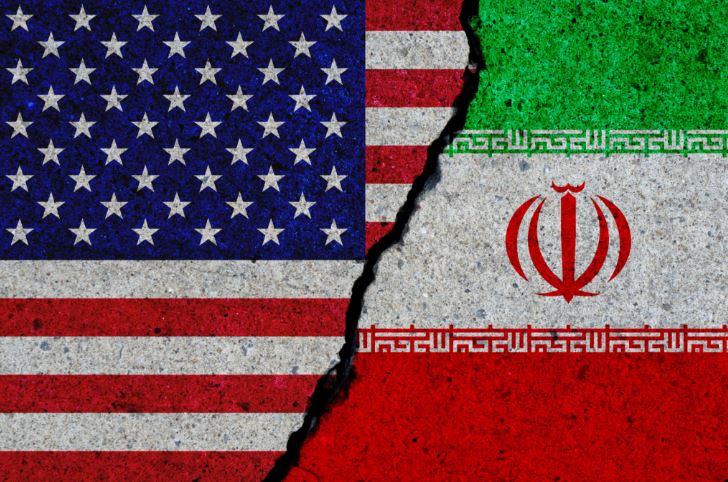
Recent U.S. strikes on Iran have increased geopolitical tension and market volatility. Here’s how energy, gold, the dollar, and equities are reacting—and why long-term investors should stay focused on fundamentals.
What the Iran Conflict Means for Investors
Recent U.S. military strikes on Iranian targets have escalated tensions in the Middle East and raised concerns about the possibility of a broader regional conflict. Geopolitical developments like these can understandably create anxiety for investors and contribute to short-term market volatility.
At the same time, it’s important to view events like this within a broader investment context. Markets have operated through decades of geopolitical disruption—from regional conflicts to global crises—while continuing to focus primarily on long-term economic fundamentals.
Understanding what is actually moving in the markets can help investors maintain perspective during periods of uncertainty.
How Markets Are Reacting
While geopolitical tensions can influence investor sentiment, market reactions so far appear consistent with prior contained conflicts—showing volatility but not systemic disruption.
Several key asset classes illustrate how markets are processing the current environment.
Energy Markets and Oil Prices
Oil prices have risen as markets assess the potential for disruptions in the Strait of Hormuz, one of the world’s most important energy transit routes. Roughly 20% of global oil supply moves through this corridor.
Possible outcomes largely depend on how the situation evolves:
- Limited disruption: Energy prices could normalize if shipping remains largely unaffected.
- Partial disruption: Prices may remain elevated within a higher trading range.
- Significant closure: A prolonged disruption could create more substantial upward pressure on oil prices.
At present, markets appear to be pricing in a risk premium tied to uncertainty, rather than a confirmed supply shock.
Gold and Safe-Haven Assets
Gold prices have moved higher, reflecting a typical short-term “flight to safety” during periods of geopolitical uncertainty. These flows often represent temporary hedging activity rather than a fundamental shift in inflation or growth expectations.
Historically, these moves tend to stabilize once uncertainty begins to ease.
The U.S. Dollar
The U.S. dollar has strengthened as global investors seek liquidity and stability. In times of geopolitical stress, international capital often flows toward U.S. financial markets due to their depth, transparency, and perceived safety.
Episodes like this frequently reinforce the dollar’s role as the world’s primary reserve currency.
Equity Markets
Despite heightened geopolitical headlines, equity markets have remained relatively stable.
One reason is that direct economic exposure between Western economies and Iran is limited, and the earnings power of large global companies is generally tied to broader global demand rather than this specific conflict.
When equities remain relatively steady during geopolitical events, it can signal that investors view the situation as a contained risk event rather than a structural economic shock.
What History Tells Us About Geopolitical Events
Over the past several decades, financial markets have navigated numerous geopolitical crises—from wars and regional conflicts to global political tensions.
These events often produce short bursts of volatility, but markets have historically refocused on economic fundamentals such as:
- Corporate earnings
- Innovation and productivity
- Economic growth
- Monetary and fiscal policy
In other words, while geopolitical events can temporarily influence sentiment, long-term market outcomes have typically been shaped by economic forces rather than individual crises.
Maintaining Perspective During Uncertainty
Periods of geopolitical tension can be unsettling, particularly when headlines move quickly and information is incomplete.
For investors, the greater risk often lies in reacting emotionally to short-term events rather than maintaining a disciplined investment strategy.
Long-term investment outcomes are generally driven by:
- Diversification across asset classes
- Attention to economic fundamentals
- A consistent investment process
- A long-term mindset
Short-term risk premiums may come and go, but the long-term compounding of capital typically occurs over extended market cycles.
Geopolitical developments can create uncertainty in the short run, but history shows that markets often adapt quickly as new information emerges.
For many investors, maintaining a long-term framework—rather than reacting to daily headlines—can be an important part of navigating periods of volatility.
If you would like to discuss how global events may fit into your broader financial strategy, the team at Omni 360 Advisors and Omni Legacy Law is always available to provide educational insights and thoughtful guidance.
This blog was developed with the assistance of AI-based tools for research, drafting and editing support (ChatGPT), and reviewed by OMNI 360 personnel for accuracy and relevance. The information provided is educational and general in nature and is not intended to be, nor should it be construed as, specific investment, tax, or legal advice.




