Protecting Financial Information in a Digital Environment
February 5, 2026
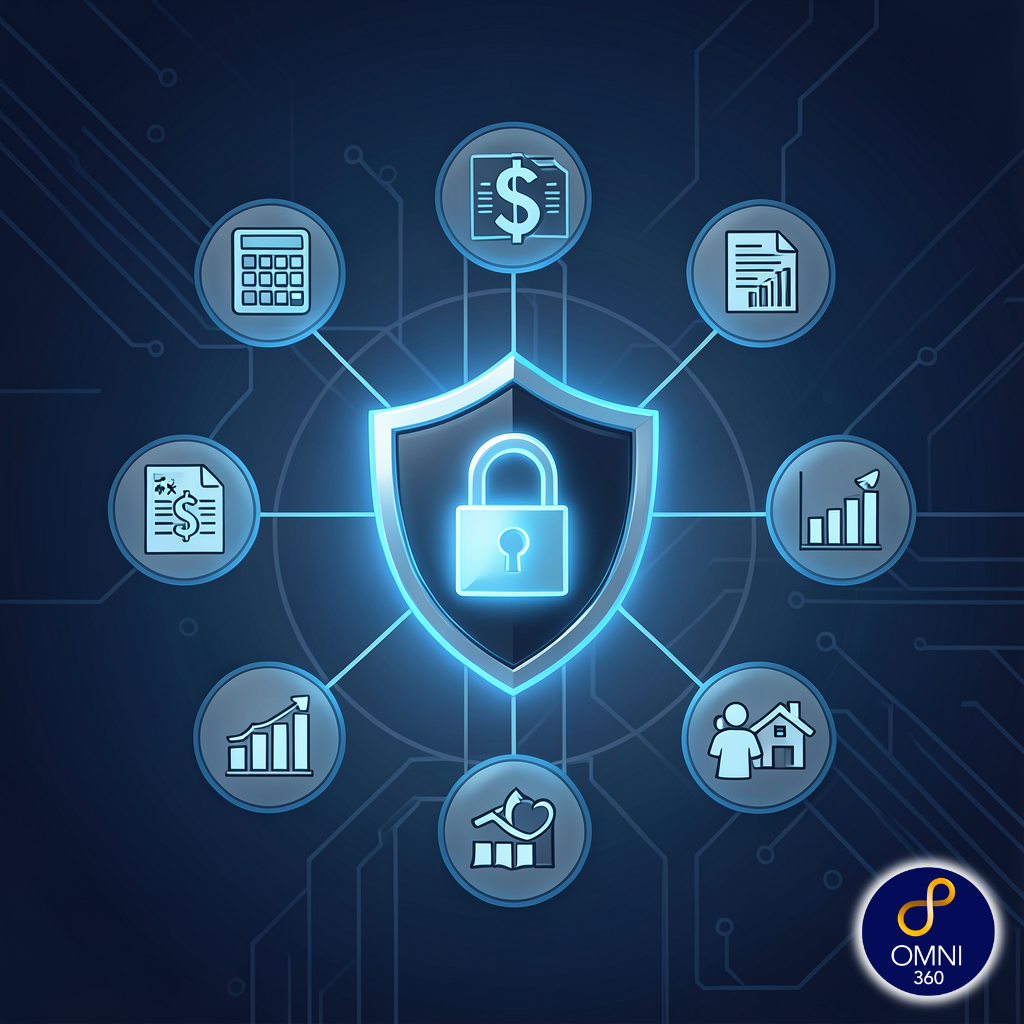
Cybersecurity Considerations, Common Risks, and Practical Awareness
In a digital environment, managing finances, taxes, investments, and estate planning often involves sharing sensitive personal and financial information electronically. While technology has expanded access and convenience, it has also introduced new risks related to data security, fraud, and unauthorized access.
Understanding how cyber risks arise—and how information is commonly exposed—can help individuals and families make more informed decisions when communicating with financial, tax, and legal professionals. This article outlines common cybersecurity risks, frequent transmission mistakes, and general considerations for handling sensitive information more carefully.
How Cyber Risks Commonly Arise
Cyber incidents are often the result of familiar patterns rather than isolated events. Many attempts to access confidential information rely on exploiting routine behaviors or assumptions about digital communication.
Phishing Emails and Text Messages
Phishing remains one of the most common methods used to obtain confidential information. These messages are designed to appear legitimate and may:
- Request confirmation or verification of information
- Use urgent or time-sensitive language
- Include links or attachments that appear routine
Interacting with these messages may lead to credential theft or unauthorized system access.
Email Interception and Account Compromise
Standard email communication is not inherently secure. In some circumstances, unauthorized parties may:
- Gain access to compromised email accounts
- Monitor ongoing email conversations
- Impersonate known contacts during active exchanges
These risks increase when sensitive financial or personal information is shared through email.
Password Weakness and Reuse
Using simple or repeated passwords across multiple platforms can increase exposure if one system is compromised. A single breach may create access to additional accounts if credentials are reused.
Public Wi-Fi Networks
Public wireless networks, such as those found in airports or cafés, may lack adequate security controls. Information transmitted over these networks can sometimes be exposed to unauthorized monitoring.
Malware and Infected Files
Unexpected attachments or unverified software downloads may install malware that operates without visible signs, potentially capturing data or system activity.
Common Transmission Mistakes
Even individuals who are attentive to security can unintentionally increase risk. Common practices that may introduce exposure include:
Sending Sensitive Information via Email
Email is widely used but not designed for transmitting sensitive information such as:
- Social Security or tax identification numbers
- Tax returns or financial statements
- Bank or investment account details
- Copies of identification documents
Once sent, email messages may be stored, forwarded, or accessed if an account is compromised.
Clicking Links Without Verification
Cyber messages often closely resemble legitimate communications. Verifying sender details and message context before clicking links can help reduce exposure to fraudulent websites.
Password Reuse Across Platforms
Using the same password across multiple services can amplify the impact of a single security incident.
Delaying Software Updates
Updates frequently address known vulnerabilities. Delaying updates may leave systems exposed to issues that have already been identified.
Oversharing Online
Information shared publicly—such as personal milestones, travel details, or family information—can sometimes be used to infer passwords or security responses.
Practices to Avoid When Sharing Financial Information
General practices that may help limit exposure include avoiding the following:
- Sending sensitive information through standard email
- Responding immediately to urgent or unexpected requests
- Sharing login credentials
- Relying solely on email for financial instructions
- Storing sensitive information in unencrypted or plain-text formats
When communications feel unusual or inconsistent with prior practices, pausing to verify details may reduce risk.
General Considerations for Managing Cyber Risk
While no system is entirely risk-free, certain practices are commonly used to support better information handling, such as:
- Using secure portals or encrypted platforms for document sharing
- Enabling multi-factor authentication where available
- Using unique passwords and password management tools
- Keeping devices and software current
- Verifying sensitive requests through a secondary method, such as a phone call
Many professional firms use secure systems and protocols designed to support responsible information handling, and clients may benefit from understanding preferred communication methods in advance.
Shared Awareness and Ongoing Attention
Cybersecurity is an ongoing consideration that involves both professional safeguards and individual awareness. Staying informed about how information is transmitted and stored can help individuals better understand their role in managing exposure to fraud and identity-related risks.
If a message or request appears inconsistent with prior communications, contacting the firm directly before responding may help clarify legitimacy.
Protecting financial and personal information is an important element of trust, organization, and long-term planning in an increasingly digital environment.
This blog was developed with the assistance of AI-based tools for research, drafting and editing support (Chat GPT), and reviewed by OMNI 360 personnel for accuracy and relevance.




