
Protecting the Digital Side of Your Financial Life
August 6, 2026
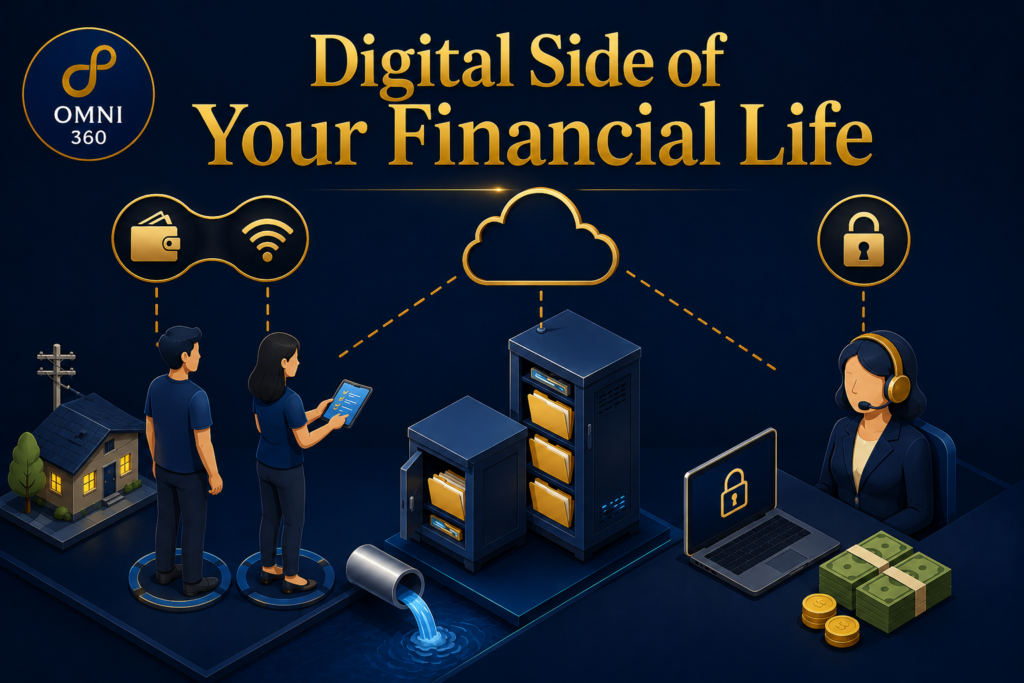
Learn how to protect financial accounts, retirement assets, digital records, and estate-planning information from fraud, identity theft, and cybersecurity threats.
Financial planning often focuses on visible assets: homes, businesses, investment portfolios, insurance policies, and retirement accounts. Yet many of the records, credentials, and instructions connected to those assets now exist online.
Banking portals, retirement-plan websites, cloud storage accounts, tax records, email accounts, cryptocurrency wallets, and password managers can all contain sensitive financial information. A well-organized financial plan may therefore be incomplete if it does not also address digital access and cybersecurity.
For individuals, families, and business owners, protecting the digital side of financial life is increasingly important. Retirement plans, in particular, may contain significant assets and personal information, making cybersecurity an important consideration for plan fiduciaries, service providers, and participants.
Create an Inventory of Financial and Digital Accounts
A digital-security plan begins with knowing what exists.
Create an inventory of your financial accounts, digital assets, and important online services. This may include:
- Bank, brokerage, and retirement accounts
- Credit cards and payment platforms
- Insurance and employee-benefit portals
- Business banking and payroll systems
- Tax-preparation and document-storage accounts
- Email addresses connected to financial institutions
- Domain names, websites, and social media accounts
- Cryptocurrency, digital wallets, or other digitally held assets
The inventory should identify the institution or platform, the type of account, and the person responsible for managing it. Avoid placing passwords directly in an unsecured spreadsheet or printed list. Instead, document where credentials and recovery instructions are securely maintained.
Strengthen Retirement and Investment Account Security
Retirement and investment accounts can be attractive targets for fraud because they may hold substantial balances and are not always reviewed as frequently as everyday banking accounts.
Review account activity regularly and enable alerts for password changes, withdrawals, transfers, new linked accounts, and updates to contact information. Confirm that financial institutions have your current phone number, email address, and mailing address.
Be cautious with unexpected messages requesting account verification, urgent transfers, or personal information. Fraudulent emails and text messages may imitate financial institutions, employers, government agencies, or trusted professionals.
When receiving an unusual request, contact the institution through a verified phone number or website rather than using the contact information included in the message.
Use Multifactor Authentication and Secure Password Practices
Multifactor authentication adds an additional verification step beyond a password. When available, it should be enabled for financial accounts, email, cloud storage, payroll systems, and other services containing sensitive information.
Each important account should also have a strong, unique password. Reusing the same password across multiple platforms can allow one compromised account to expose several others.
A reputable password manager can help generate and securely store unique credentials. Recovery codes and backup access methods should also be stored in a protected location.
Because email accounts are often used to reset passwords, securing your primary email address is especially important.
Establish Trusted Contacts
Many financial institutions allow clients to name a trusted contact. This person does not automatically receive authority to transact or make decisions. However, the institution may be able to contact that individual when there are concerns about fraud, exploitation, diminished capacity, or difficulty reaching the account owner.
A trusted contact should be someone reliable who understands your circumstances and can respond appropriately if a concern arises. Trusted-contact information should be reviewed periodically, especially after changes in family relationships, health, residence, or financial responsibilities.
Include Digital Access in Your Estate Plan
Estate planning should address more than the transfer of physical and financial property. It should also consider how fiduciaries and family members will identify, access, manage, or close digital accounts.
Digital-asset planning may include:
- An inventory of online accounts and digital property
- Instructions for locating passwords or recovery information
- Guidance regarding social media, email, websites, and cloud files
- Information about cryptocurrency or digitally stored assets
- Authorization language for fiduciaries, where appropriate
- Directions regarding records that should be preserved or deleted
Access instructions should be coordinated with estate-planning documents and applicable platform requirements. Passwords and sensitive credentials generally should not be placed directly in a will, which may become part of a public record.
Cybersecurity Responsibilities for Business Owners
Business owners who sponsor retirement plans face additional considerations. Retirement plans can contain participant assets, Social Security numbers, payroll information, addresses, dates of birth, and other sensitive data.
Plan sponsors should evaluate how employee information is collected, transmitted, stored, and protected. They should also review the cybersecurity practices of recordkeepers, payroll providers, third-party administrators, and other vendors.
Practical steps may include establishing internal access controls, training employees to recognize phishing attempts, limiting administrative privileges, reviewing vendor-security procedures, maintaining response protocols, and documenting oversight activities.
Cybersecurity should not be treated as a one-time technology project. It is an ongoing governance responsibility that should evolve as systems, personnel, vendors, and risks change.
Bringing Digital Security Into the Planning Conversation
Protecting financial life now requires coordination across financial planning, business operations, risk management, and estate planning. An organized inventory, secure access practices, trusted contacts, updated legal documents, and thoughtful vendor oversight can help reduce avoidable vulnerabilities.
Omni 360 Advisors and Omni Legacy Law work with individuals, families, and business owners on the financial and estate-planning considerations surrounding long-term organization and legacy planning. Conversations about digital access and cybersecurity can be incorporated into a broader review of how assets, records, responsibilities, and instructions are structured.
This blog was developed with the assistance of AI-based tools for research, drafting and editing support (ChatGPT), and reviewed by OMNI 360 personnel for accuracy and relevance. The information provided is educational and general in nature and is not intended to be, nor should it be construed as, specific investment, tax, or legal advice.




