
Using Limited Liability Companies for Asset Protection Planning Purposes

July 5, 2017

Are you concerned that a lawsuit or other threat could jeopardize your personal finances? While some people face a higher likelihood of an incident like this, everyone should be concerned about asset protection planning. Using an LLC for asset protection planning
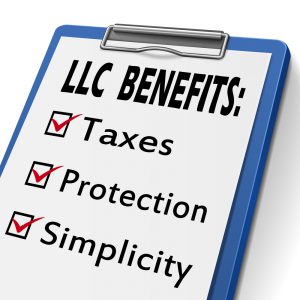
 

Accomplishing asset protection planning is often successful after you consult with an attorney who has experience in this area. Holding assets outright and in particular, those assets that may be exposed to serious risk like real estate investments can be a big mistake in the event that a creditor or lawsuit threatens you in the future.


A limited liability can be structured to hold some assets. This is often used in conjunction with the benefits of providing an orderly transfer of assets to the next generation and reducing your estate taxes.


So long as you respect the legal formalities associated with an LLC, you can also tap into their asset protection planning potential. A limited liability company can be extremely valuable for isolating a risky asset. If in the event that you hold real estate and an injury happens to someone on the property, your personal assets could be tapped for that. However, if the property is owned by an LLC, then the injured party is only eligible to reach the assets in the LLC.


Furthermore, personal creditors typically cannot reach assets inside an LLC. The creditor is limited to a charging order that entitles them to collect distributions made from an LLC to you but not the underlying LLC’s assets. Consulting with a knowledgeable asset protection planning attorney is strongly recommended.



Practice Areas:


Schedule your free Exploratory phone call

Click here to see how we
can be of assistance.

Payment Portal
for Tax and Accounting invoice

This link offers a secure, quick way to complete your payment with Omni360 Advisors LLC.

Our Social Media

Connect with us on Social Media using the following buttons:

Visit our Podcasts

Listen in, Join the Conversation!

Recent Posts

Independent Trustee vs. Family Member Trustee: Pros and Cons in Estate Planning

Should you appoint a family member or an independent trustee? Explore the pros and cons of each option and how the right choice can impact family harmony, governance, and long-term legacy planning. Independent Trustee vs. Family Member Trustee: Pros and Cons in Estate Planning When creating a trust as part of an estate plan, ...

<p>The post Independent Trustee vs. Family Member Trustee: Pros and Cons in Estate Planning first appeared on Integrated Tax Planning, Legal Planning & Financial Planning.</p>

2026 Federal Tax Guidelines: Updated Brackets and Standard Deduction

The IRS released updated tax brackets and standard deduction amounts for the 2026 tax year. Learn how these changes may impact planning for individuals and families. Understanding the 2026 Federal Tax Updates Each year, the IRS adjusts key parts of the tax code ...

<p>The post 2026 Federal Tax Guidelines: Updated Brackets and Standard Deduction first appeared on Integrated Tax Planning, Legal Planning & Financial Planning.</p>

Five Strategic Ways High-Net-Worth Investors Can Manage Portfolio Capital Gains

Explore five tax-aware strategies investors use to manage portfolio capital gains, including tax-loss harvesting, basis step-up planning, and trust strategies. Five Strategic Ways High-Net-Worth Investors Can Manage Portfolio Capital Gains For many successful investors, managing capital gains taxes becomes increasingly important as portfolios grow and liquidity events ...

<p>The post Five Strategic Ways High-Net-Worth Investors Can Manage Portfolio Capital Gains first appeared on Integrated Tax Planning, Legal Planning & Financial Planning.</p>

