
Materials You Should Have Before Applying for Medicaid

January 13, 2016

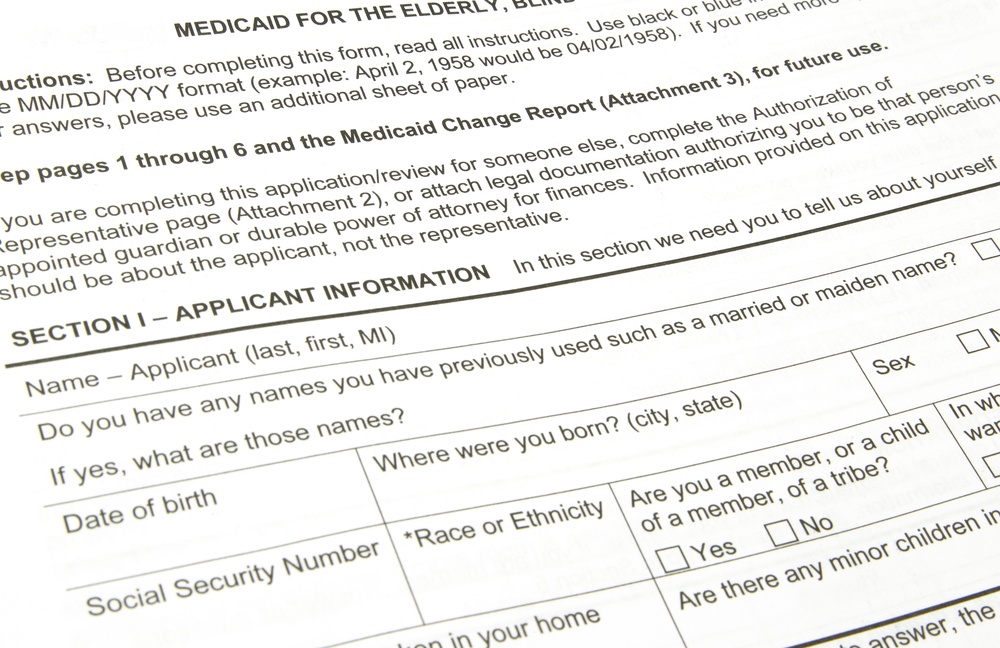
After discussing your Medicaid application and preparing for it in advance with your elder law attorney, there may be an appropriate time you should begin the application process. There are several things you should know about the Medicaid application process in order to set yourself up for success.
shutterstock_66412396

One of the things that surprises most elderly individuals and their caregivers is the amount of documentation required for a Medicaid application. The more prepared you are, the easier it will be to submit this information and in the proper order so that you do not have any unnecessary delays associated with the application. The following items should be included with your application.

  • Birth certificate
  • Marriage information
  • Social security award letter or social security card
  • Information about all loans owed
  • A copy of a residential rental agreement (if applicable)
  • Health insurance premiums and identity cards
  • All unpaid medical bills
  • Alimony statements or child support statements
  • Any cars owned
  • Pay stubs over the last six weeks
  • details of any pension plans where benefits are being received
  • Copies of tax return for the last five years
  • All life insurance statements and policies including any cash value accumulated within these policies

As you can see, the Medicaid application process can be quite extensive and may be a bit overwhelming. Planning in advance of options you have with your assets as well as qualifying for Medicaid can be an important first step to discuss with an elder law attorney.



Practice Areas:


Schedule your free Exploratory phone call

Click here to see how we
can be of assistance.

Payment Portal
for Tax and Accounting invoice

This link offers a secure, quick way to complete your payment with Omni360 Advisors LLC.

Our Social Media

Connect with us on Social Media using the following buttons:

Visit our Podcasts

Listen in, Join the Conversation!

Recent Posts

Irrevocable Life Insurance Trusts: A Strategic Tool for Legacy and Estate Planning

Learn how irrevocable life insurance trusts (ILITs) can help families manage estate planning goals, provide liquidity, and support multigenerational wealth transfer strategies. For families focused on preserving wealth across generations, estate planning often involves more than drafting a will or updating ...

<p>The post Irrevocable Life Insurance Trusts: A Strategic Tool for Legacy and Estate Planning first appeared on Integrated Tax Planning, Legal Planning & Financial Planning.</p>

The Hidden Cost of a Disjointed Financial Portfolio

Many families and business owners unknowingly create financial inefficiencies by spreading investments and insurance across multiple advisors and institutions. Learn why coordinated financial oversight matters. Successful business owners and high-net-worth families often accumulate financial accounts over time. A retirement account here. A brokerage relationship there. ...

<p>The post The Hidden Cost of a Disjointed Financial Portfolio first appeared on Integrated Tax Planning, Legal Planning & Financial Planning.</p>

Tax Traps to Avoid in Your 30s, 40s, and 50s

Avoid costly tax mistakes in your 30s, 40s, and 50s with practical financial planning strategies designed for business owners, professionals, and families building long-term wealth. Tax planning is not a one-time exercise. As your income, investments, business interests, and family responsibilities evolve, ...

<p>The post Tax Traps to Avoid in Your 30s, 40s, and 50s first appeared on Integrated Tax Planning, Legal Planning & Financial Planning.</p>

