
July 2, 2025 | Estate planning
Will vs. Trust: Which is Right for You?
Estate planning is a critical component of financial well-being, ensuring that your assets are distributed according to your wishes and that your loved ones are ...
Learn MoreEstate planning is a critical component of financial well-being, ensuring that your assets are distributed according to your wishes and that your loved ones are provided for after your passing. Two primary tools in estate planning are wills and trusts, each with its unique features and benefits. Understanding the distinctions between them can help you make informed decisions to protect your wealth and legacy.
Understanding Wills

July 2, 2025 | Estate planning
Estate planning is a critical component of financial well-being, ensuring that your assets are distributed according to your wishes and that your loved ones are ...
Learn More
July 1, 2025 | entity structuring
When it comes to business ownership, entity structuring is often viewed as a matter of liability protection or operational efficiency. However, the right structure can ...
Learn More
June 30, 2025 | Investment Planning
Discover why chasing benchmarks might be distracting you from your real financial goals. Learn how to focus on absolute risk to build lasting wealth and meet your long-term objectives. Rethinking Risk: A Smarter Investment Strategy ...
Learn More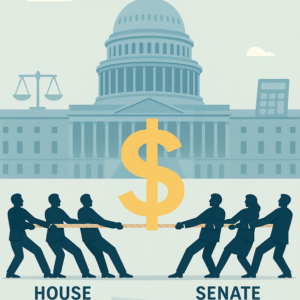
June 25, 2025 | Estate planning
Stay ahead with an expert breakdown of the Senate and House tax plans under the “One Big Beautiful Bill.” Key provisions, differences, and actionable insights for business owners, HNW families, and legacy clients. Congress ...
Learn More
June 23, 2025 | Estate planning
As families transition into retirement or navigate life post-business sale, the tax implications of their decisions become more complex—and more consequential. Smart tax planning is not about loopholes or short-term tricks; it’s about crafting a lifetime strategy to ...
Learn More
June 18, 2025 | Estate planning
A proposed bill to permanently raise the estate‑tax exemption offers planning clarity—but it’s not law yet. Here’s why any major tax change should prompt a ...
Learn More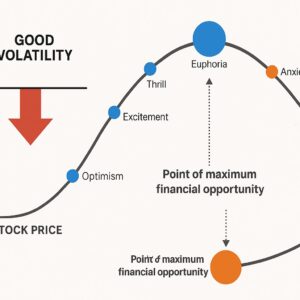
June 16, 2025 | Financial Planning
Navigate market uncertainty with confidence. Learn how strategic financial advice can transform volatility into long-term growth opportunities. Market fluctuations often stir anxiety, even among experienced investors. For business owners, multigenerational families, and individuals navigating post-liquidity ...
Learn More
June 15, 2025 | Tax Planning
As we reach the halfway point of the year, it’s the perfect time to reassess your tax strategy and make adjustments that can benefit you ...
Learn More
June 11, 2025 | Estate planning
Discover why estate planning isn’t just for the wealthy. Learn the difference between wills and trusts, when to use them, and how to avoid probate to protect your family’s future. Estate Planning Demystified Estate planning isn’t about jets and mansions. It’s about making sure your assets—from ...
Learn More
June 9, 2025 | Business Succession Planning
The One Big Beautiful Bill Act is generating significant attention for its sweeping tax and business reforms. While the bill has passed the House of Representatives and is moving through Congress, it has not yet become law. ...
Learn MoreClick here to see how we
can be of assistance.
This link offers a secure, quick way to complete your payment with Omni360 Advisors LLC.
Connect with us on Social Media using the following buttons:
Listen in, Join the Conversation!
A comprehensive Q1 2026 recap covering market trends and strategic insights for business owners and investors navigating today’s evolving landscape. Q1 2026 Market Recap: Navigating ...
<p>The post Q1 2026 Market Recap: Key Trends and Strategic Takeaways for Investors first appeared on Integrated Tax Planning, Legal Planning & Financial Planning.</p>
Market cycles are a natural part of investing—but for retirees, they carry a different weight. Unlike those in accumulation years, retirees are often drawing income ...
<p>The post Bear vs. Bull Markets: What Retirees Need to Know to Navigate Market Cycles first appeared on Integrated Tax Planning, Legal Planning & Financial Planning.</p>
Learn how to balance providing for your spouse or partner while safeguarding your children’s inheritance in a blended family estate plan. Explore strategies, pros, and ...
<p>The post Estate Planning for Blended Families: Protecting Your Partner While Preserving Your Children’s Inheritance first appeared on Integrated Tax Planning, Legal Planning & Financial Planning.</p>




