A Look at Whole Life Insurance
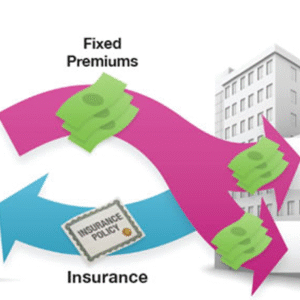
In exchange for fixed premiums, an insurance company promises to pay a set benefit when the policyholder dies, but also offers additional benefits as well. Whole life insurance policies can build up cash value — effectively a cash reserve that pays a modest rate of return, and the growth is tax-deferred. Guarantees are based on the claims-paying ability of the issuing company.
Most whole life insurance policies allow policyholders to borrow a portion of their policy’s cash value. Access to the cash value can allow you to pay for things like college expenses, a home down payment, or any other needs you may have. Interest payments on policy loans go directly back into the policy’s cash value.
When the policyholder dies, his or her beneficiaries receive the benefit from the policy. Depending on how the policy is structured, benefits may or may not be taxable.